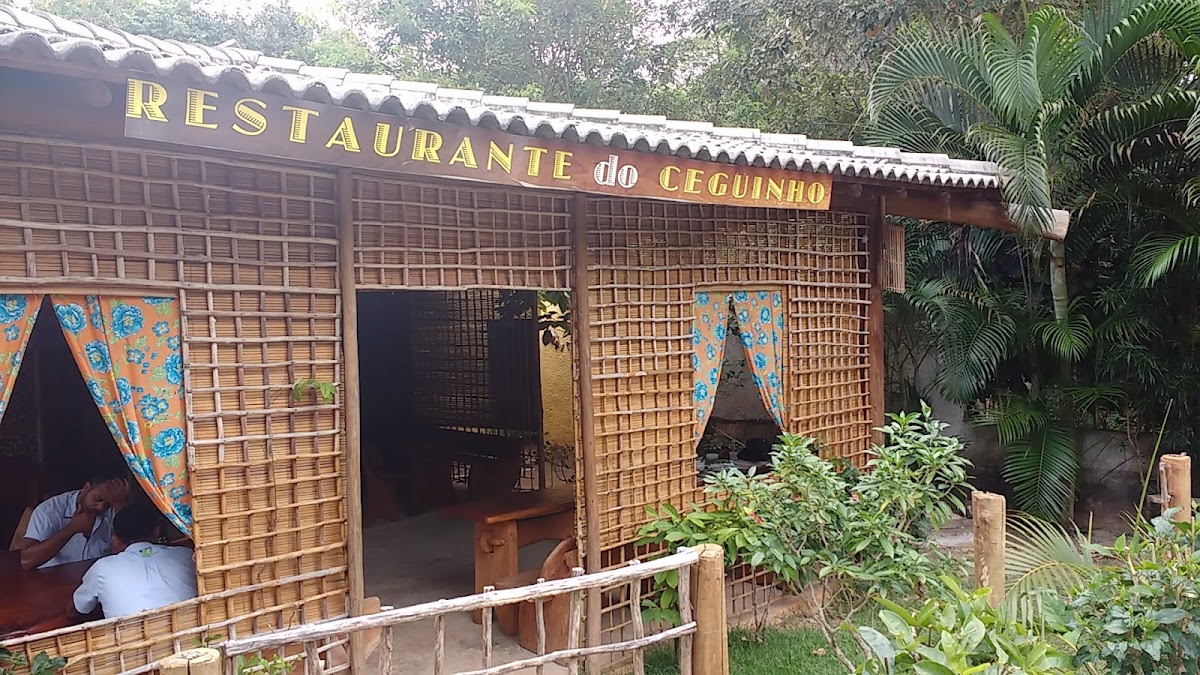
O ambiente é lindíssimo, um mimo só. Um empreendimento familiar com um ótimo atendimento. Ceguinho atende a todos muito bem, tira um tempinho pra conversar com os clientes, o que faz todo diferencial. Ganhamos cocada mole de sobremesa que tinha um toque de limão, simplesmente MARAVILHOSA. Os preços são na faixa dos que encontramos aqui por Imbassaí. A comida é boa, culinária caseira. Pedimos filé migon, moqueca de camarão e filé de pescada amarela frito. A carne estava macia, na moqueca de camarão achei que faltou sal, mas no filé de pescada amarela frita não tivemos o que reclamar, simplesmente PERFEITO, casca sequinha, peixe saboroso, muito bom mesmo! Tem roska, agua de coco, refri e outras bebidas. As guarnições são boas. Porém esse não é o tipo de restaurante que o prato que é servido para 3 pessoas pode ser comido por 2. A comida pra 2 pessoas é realmente para 2, pra 3 é pouco. A não ser que as 3 pessoas comam pouquinho. Indico muito o restaurante, foi uma experiência maravilhosa. A nota 4 é só pela questão da carne e da moqueca, que estavam mais ou menos, mas não estavam ruins.
Overview
If you ever find yourself wandering along R. da Igreja in Açu da Torre, Mata de São João - BA, 48289-000, Brazil, there’s one place that locals mention almost instinctively: Caranguejo Pirata Restaurante. I first stopped by on a humid afternoon after a morning exploring Praia do Forte, and honestly, it turned into one of those meals you keep talking about long after the trip ends.
The location alone sets the mood. Tucked into the lively village atmosphere of Açu da Torre, the restaurant feels both relaxed and unmistakably Bahian. Wooden tables, a casual seaside vibe, and the smell of garlic, lime, and fresh seafood drifting from the kitchen make it clear that this is a place serious about flavor. It’s not flashy, and that’s part of its charm. Instead, it leans into what really matters: fresh ingredients, regional recipes, and generous portions.
As the name suggests, crab is the star here. The menu highlights caranguejo prepared in traditional northeastern Brazilian style, steamed and seasoned with a blend of herbs and spices that bring out its natural sweetness. According to Brazil’s Ministry of Fisheries and Aquaculture, coastal regions like Bahia are known for their rich crustacean biodiversity, and you can taste that freshness in every bite. I ordered the house specialty, and the waiter explained the preparation process step by step: the crabs are cleaned, marinated with garlic and cilantro, then cooked slowly to preserve texture and moisture. It’s messy, hands-on dining, but that’s exactly the point.
Beyond crab, the menu also features moqueca, grilled fish, shrimp dishes, and hearty seafood stews. One friend opted for shrimp in a creamy coconut sauce, a nod to classic Bahian cuisine influenced by Afro-Brazilian culinary traditions. The depth of flavor wasn’t accidental. Dendê oil, coconut milk, and fresh peppers are staples in the region, and culinary experts often credit Bahia as one of the most distinctive food capitals in Brazil. The restaurant respects those roots while keeping dishes approachable for visitors who may be trying these flavors for the first time.
What stood out to me was consistency. On a second visit months later, the crab tasted just as good. That reliability matters. In the restaurant world, consistency is often the difference between a one-time tourist stop and a trusted local favorite. Reviews from repeat customers frequently mention generous portions and fair pricing, which aligns with my own experience. It’s the kind of place where families gather on weekends, friends meet for cold beer and seafood platters, and travelers feel welcome rather than out of place.
Service is informal but attentive. The staff clearly know the menu and happily explain how to crack crab shells properly if you look slightly confused, as I did the first time. That small interaction made a difference. Dining here feels personal. You’re not rushed, and you’re encouraged to enjoy the rhythm of the meal.
From a practical standpoint, the restaurant’s address on R. da Igreja makes it easy to find, especially if you’re staying near Praia do Forte or exploring Mata de São João. Parking can be limited during peak hours, particularly on weekends and holidays, so arriving a bit earlier is a smart move. While hours can vary seasonally, it’s generally open for lunch and dinner, though it’s always wise to double-check locally for updated information.
There’s also something worth acknowledging: like many popular seafood spots in coastal Brazil, wait times can stretch during high season. That said, the steady flow of guests speaks volumes. Places that consistently deliver fresh seafood, authentic Bahian recipes, and a laid-back atmosphere tend to earn their reputation the hard way.
For anyone serious about experiencing regional Brazilian cuisine rather than sticking to generic tourist menus, this restaurant offers a genuine taste of Bahia’s coastal identity. Between the crab, the moqueca, the cold drinks, and the welcoming environment, it captures what dining in Mata de São João should feel like: flavorful, communal, and proudly local.
Good to know
Service options
✓ Takeaway ✓ Dine-inPopular for
✓ Lunch ✓ Solo diningAccessibility
✓ Wheelchair-accessible seatingOfferings
✓ Alcohol ✓ Beer ✓ Coffee ✓ Small plates ✓ SpiritsDining options
✓ Lunch ✓ Dessert ✓ Table serviceAmenities
✓ Bar on site ✓ ToiletAtmosphere
✓ Casual ✓ Cosy ✓ Quiet ✓ TrendyCrowd
✓ Groups ✓ TouristsPlanning
✓ Accepts reservationsPayments
✓ Credit cards ✓ Debit cards ✓ NFC mobile paymentsChildren
✓ Good for kidsPhotos
Location
Reviews
Comida excelente, muito bem preparada, ambiente super agradável e atendimento nota 10. Super recomendo a experiência
Excelente moqueca, o ceguinho (que enxerga muito bem, obrigado) é super simpático e atencioso. O bolinho de peixe é muito bom também. Não há muitas mesas então melhor chegar cedo. Também faz entrega na região.
Ótima comida em ambiente simples e acolhedor, cercado pelo verde da vegetação luxuriante de Imbassaí. E o Ceguinho, excelente cozinheiro, com seus óculos de alto grau e sorriso aberto, é uma figura pra lá de afável. Os bolinhos de peixe seguem a tradição iniciada pelo Souza da Praia do Forte, e o ensopado de badejo (dá para dois) estava excelente. Valeu!
Imagine um restaurante onde vc recebe um atendimento no qual se sente atendido pela sua avó... incrível e muito acolhedor! A comida é feita de maneira cuidadosa e pensada no cliente... o sabor é incrível e estaria feliz se tivesse pegado um vôo de São Paulo até aqui só para provar essa experiência...
Se vc deseja comer frutos do mar por um preço justo, pode ir com tranquilidade, pois o Restaurante do Ceguinho não vai te decepcionar. Por outro lado, saiba q é um local muito simples que necessitaria de reformas básicas (melhoria do banheiro etc) e, por esse motivo perdeu uma estrela nesta avaliação. O Estacionamento e acesso é muito fácil, o Google maps te deixa na porta! Comemos duas moquecas (camarão e peixe) para 4 pessoas, que foi o suficiente! O Ceguinho, proprietário, é uma pessoa bem amistosa, atende e conversa com todas as mesas.
O nome correto é Restaurante do Ceguinho! Tudo maravilhoso!!! A comida estava incrível, atendimento do Ceguinho maravilhoso e ambiente muito agradável!! Peçam a cocada!! Deliciosa!
Comida maravilhosa!!!! Perfeito. Comi um ensopado de camarão dos deuses. Inesquecível de bom! Muito obrigado. Ahhh e voltei mais uma vez. Show. Super recomendo.